Padel is an exhilarating sport that combines elements of tennis and squash, but with its own unique set of techniques and strategies. One of the most crucial shots in padel is the forehand volley, a technique that can help you dominate the net and put intense pressure on your opponent. Mastering the forehand volley allows you to control the tempo of the game, finish points early, and disrupt your opponent’s rhythm. Whether you are a beginner just learning the grip with basic padel rackets or a seasoned competitor using high-performance pro padel rackets, the mechanics remain the same. In this comprehensive guide, we’ll explore 10 key tips to improve your forehand volley and use it to destroy your opponent on the padel court.
Master Your Grip for Better Control and Power
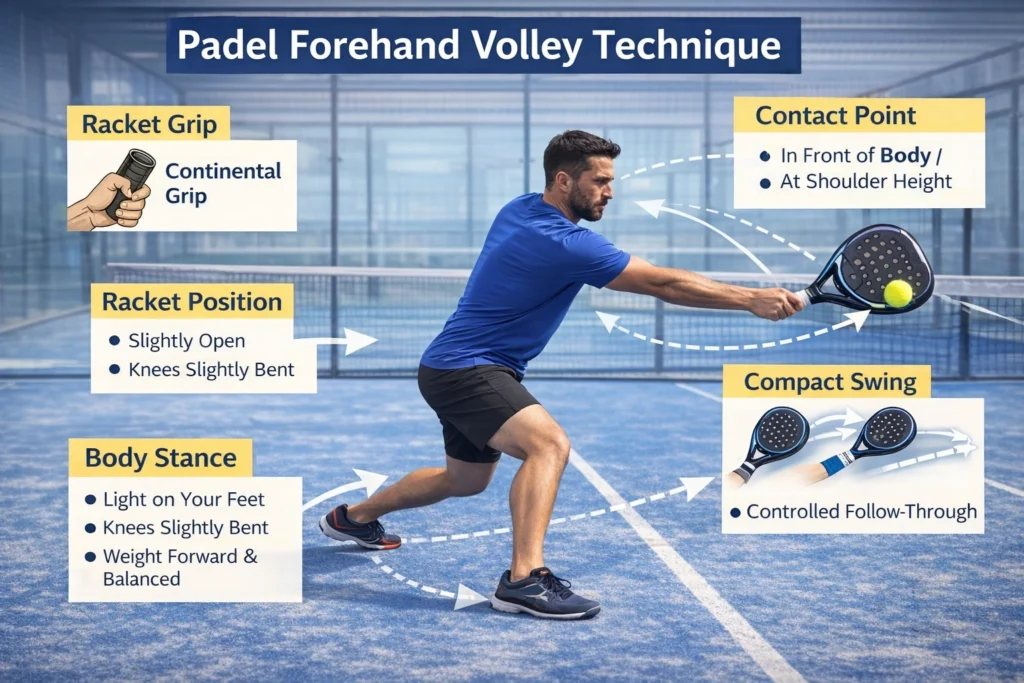
The first step to a powerful and effective forehand volley is having the right grip. In padel, the continental grip is generally the go-to choice for volleys. This grip allows you to generate both power and control, making it ideal for the quick exchanges that are common at the net.
- How to hold the grip: Place the base knuckle of your index finger on the third bevel of the racket handle. Your thumb should rest against the back of the racket for stability, while your other fingers grip the handle firmly but not too tightly. This gives you the flexibility to react to the ball quickly without losing control
- Why it is important: With the continental grip, you can easily adjust to the ball’s height and speed. Whether you’re hitting a short or deep volley, this grip will allow you to execute a variety of shots with precision.
Pro Tip: Experiment with your grip pressure. Too tight of a grip may lead to tension in your arm, which can slow down your reaction time. Aim for a relaxed grip for smoother movements.
Position Yourself Correctly at the Net
Positioning is a crucial aspect of executing an effective forehand volley. To be ready for any shot, you must be well-positioned at the net, allowing you to intercept and attack the ball quickly.
- Stand in the right spot: Position yourself slightly behind the service line, around the middle of the court. This position enables you to cover both sides of the court and be ready for any angled shots.
- Anticipate your opponent’s next move: As your opponent prepares to hit the ball, try to predict their shot based on their body positioning and previous strokes. This helps you move to the right spot before the ball reaches you.
- Don’t be too static: Stay light on your feet and be ready to adjust your position based on the ball’s trajectory. Good footwork is essential for quick reflexes.
Pro Tip: Keep your knees slightly bent and weight on the balls of your feet, so you can easily push off to react to any shot.
Keep Your Racket High and Ready
A common mistake players make is lowering their racket too much, which leads to poor preparation and slow reactions. Keeping your racket at the right height is crucial for effective volleys.
- Racket position: Aim to keep your racket head at shoulder height or slightly higher. This allows you to react quickly to low or high volleys without needing to adjust too much.
- Ready position: Keep your racket in front of your body and slightly above your waistline. This way, when the ball comes, you only need to make minor adjustments to hit it cleanly.
Pro Tip: Hold the racket lightly, and keep it steady. Your grip should be firm enough to control the racket but relaxed enough to facilitate quick reactions. If you feel your arm tiring during fast exchanges at the net, it might be time to look for lighter padel rackets that allow for a more agile “ready position” throughout the entire match.
Use the Correct Footwork for Efficient Movement
Footwork is critical to ensuring that you are positioned correctly for a forehand volley. If your feet are not in the right place, you will not be able to execute a controlled shot.
- Take small, controlled steps: As the ball approaches, move towards it by taking short, quick steps. Large steps will make it harder to adjust your position for precise volleys.
- Use your non-dominant foot: For a forehand volley, your non-dominant foot should lead, allowing you to step into the shot with more control. Your front foot should be pointing toward the net as you prepare to hit the ball.
- Stay balanced: As you approach the ball, ensure that your weight is evenly distributed on both feet. This will allow you to transfer energy into your shot, while maintaining control.
Pro Tip: Practice footwork drills such as the ladder drill or shuttle runs to improve your agility and speed.
Angle Your Racket for Maximum Control
The angle of your racket when striking the ball will determine the direction and depth of the shot. It’s essential to control the racket angle to ensure a clean and powerful volley.
- Open vs. Closed Racket Face: When you are trying to control the ball, you should keep your racket face slightly open. This helps you generate a softer shot with better control. On the other hand, if you want more power and depth, you can close the racket face slightly.
- Keep the racket stable: Instead of swinging the racket wildly, use controlled and deliberate movements to guide the ball. This stability will prevent you from overhitting or mishitting the ball.
Pro Tip: Use a neutral racket position when you are in the ready stance. You can adjust the racket face based on the ball’s speed and your shot intention.
Focus on the Ball and Your Timing
When it comes to volleying in padel, your timing is everything. The forehand volley relies on fast reflexes and split-second decisions, which makes it essential to focus on the ball and time your shots correctly.
- Watch the ball closely: Focus on the ball as it travels towards you. By keeping your eyes fixed on the ball’s path, you can judge its speed, spin, and trajectory more effectively.
- Do not rush: Volleying in padel requires precision. Don’t swing too hard or try to force the shot. Instead, focus on timing the contact with the ball.
Pro Tip: Practice drills that improve hand-eye coordination, such as hitting the ball against a wall or practicing volleys with a partner. This helps improve your reaction time and accuracy.
Keep Your Swing Compact and Controlled
Unlike other shots in padel, the forehand volley requires a compact swing.A large, exaggerated swing can lead to mishits or mistakes.
- Short swing: Keep your swing small and controlled. Focus on making clean contact with the ball rather than trying to hit it too hard.
- Follow-through: After making contact with the ball, follow through slightly, but don’t overdo it. A controlled follow-through will keep your shot consistent and on target.
Pro Tip: Practice hitting the ball with a short, controlled follow-through. This helps you focus on precision instead of power.
Anticipate and Read Your Opponent's Shots
Being proactive rather than reactive is key to controlling the net. Predicting where the ball will go allows you to position yourself and react faster, giving you an edge over your opponent.
- Watch your opponent’s body language: Look for signs that indicate where your opponent is aiming. If they’re about to hit a cross-court shot, you can prepare for it early.
- Movement cues: Pay attention to the direction of your opponent’s racket and the angle of their body. This can help you anticipate whether they’ll be hitting a drop shot, a deep shot, or a lob.
Pro Tip: Stay in a “ready” state with your racket held in front of you, while constantly watching your opponent’s movements.
Use Your Volley to Dictate the Pace
One of the best ways to take control of the game is by dictating the pace with your forehand volley. If you can take control of the net, you’ll force your opponent to react to your pace rather than setting their own.
- Quick volleys: When you are in a favorable position at the net, do not wait for the ball to come to you. Take the ball early and attack it aggressively.
- Short and sharp shots:If your opponent is behind the baseline,use short,sharp volleys to keep them off balance.By forcing them to move quickly,you make it harder for them to get back into position.
Pro Tip: After executing a great volley, be ready for a potential return. Position yourself quickly to intercept any countershots.
Stay Calm and Focused Under Pressure
At the net, the pressure can be intense. Fast exchanges and critical points can lead to mistakes if you are not mentally prepared. The key to a successful forehand volley is maintaining your composure, even when the pressure mounts.
- Breathe and stay calm: When the ball is coming at you quickly, take a deep breath and focus on the task at hand. Staying calm will allow you to react more effectively.
- Focus on technique: Don’t get distracted by the scoreboard or the situation. Trust your preparation and technique, and stay focused on executing each shot to the best of your ability.
Pro Tip: Mental preparation can be just as important as physical training. Incorporate visualization exercises into your routine, where you imagine yourself executing perfect volleys under pressure.
Common Mistakes vs Correct Technique
Common Mistake | Correct Technique |
Too Tight a Grip | Relaxed Grip: Hold the racket firmly, but not too tightly. This allows for better control and faster reactions. |
Racket Held Too Low | Racket at Shoulder Height: Keep the racket head at shoulder level or slightly higher to be prepared for quick volleys. |
Large, Exaggerated Swing | Compact Swing: Use a short, controlled swing for better precision and consistency in your shots. |
Standing Too Still | Light on Your Feet: Maintain active feet, knees slightly bent, and weight on the balls of your feet for quicker movement. |
Swinging Too Hard | Controlled Power: Focus on technique rather than trying to hit the ball too hard. Let the racket’s design do the work. |
Not Watching the Ball | Focus on the Ball: Keep your eyes fixed on the ball from your opponent’s racket to make precise contact and improve your timing. |
Overcommitting to a Single Shot | Anticipate & Adjust: Don’t lock yourself into one shot type. Be prepared to adjust based on your opponent’s positioning and shots. |
Lack of Follow-Through | Short Follow-Through: After contact, follow through slightly to guide the ball, but don’t overextend. This keeps the shot controlled. |
Not Reacting to Low Balls | Low Ball Adjustment: For low volleys, bend your knees, get under the ball, and adjust your racket angle to maintain control. |
Hitting the Ball Off-Center | Hit the Sweet Spot: Focus on hitting the ball with the racket’s sweet spot for maximum power and accuracy. |
Conclusion
The forehand volley is a powerful weapon in your padel arsenal. By mastering the tips outlined above, you’ll be able to dominate the net and take control of points. Whether you’re looking to add more control, power, or consistency to your volleys, these 10 tips will set you on the path to becoming a more formidable player. Keep practicing, stay focused, and watch your forehand volley elevate your game to the next level.