Becoming an effective padel coach requires more than just knowing the game, it is about knowing how to teach, inspire, and develop your players’ skills. Whether you’re a beginner coach or have been in the game for a while, refining your approach and techniques can make a big difference. In this blog, we will share 10 padel coaching tips that will help you become a better coach and take your players to the next level. Let’s dive into these actionable insights to improve your coaching game.
Understand Player Levels and Personalize Coaching
One of the most crucial aspects of coaching is understanding the individual needs of your players. Every player has a different skill level, playing style, and set of strengths and weaknesses. By personalizing your approach, you create an environment where each player feels supported and challenged.
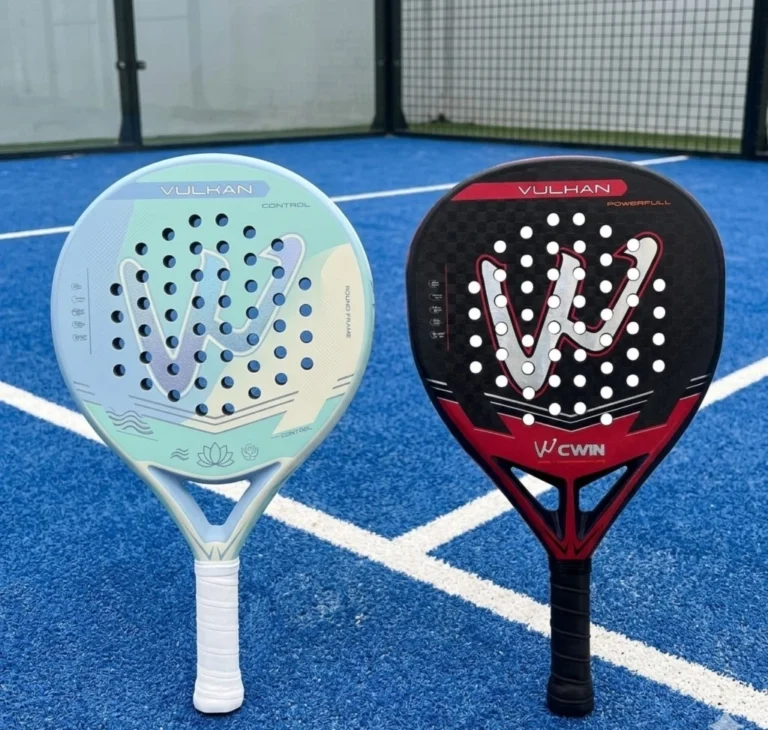
Tip: Start by assessing each player’s abilities, then tailor your coaching plan to their specific needs. This includes selecting the right gear, such as beginner padel rackets, which are designed for forgiveness and ease of use, while advanced padel rackets provide the stiffness and power required for more complex play.
You can offer more tailored sessions by using tracking tools or video analysis, which will help pinpoint areas for improvement. This individualized attention will ensure steady growth, creating a more engaging coaching experience for both you and your players.
Focus on Communication Skills
Effective communication is the backbone of successful coaching. Whether you’re explaining a drill, offering feedback, or providing motivation, how you communicate matters just as much as what you say. Your players need to clearly understand your instructions to improve their game.
Tip: Keep your instructions simple, clear, and actionable. Use visual aids, demonstrations, and analogies whenever possible to reinforce your message. The more interactive and engaging your communication is, the better your players will absorb the information.
A strong rapport with your players helps them trust you and feel comfortable asking questions and seeking advice. Building this bond will improve your players’ motivation and performance over time.
Build Mental Toughness
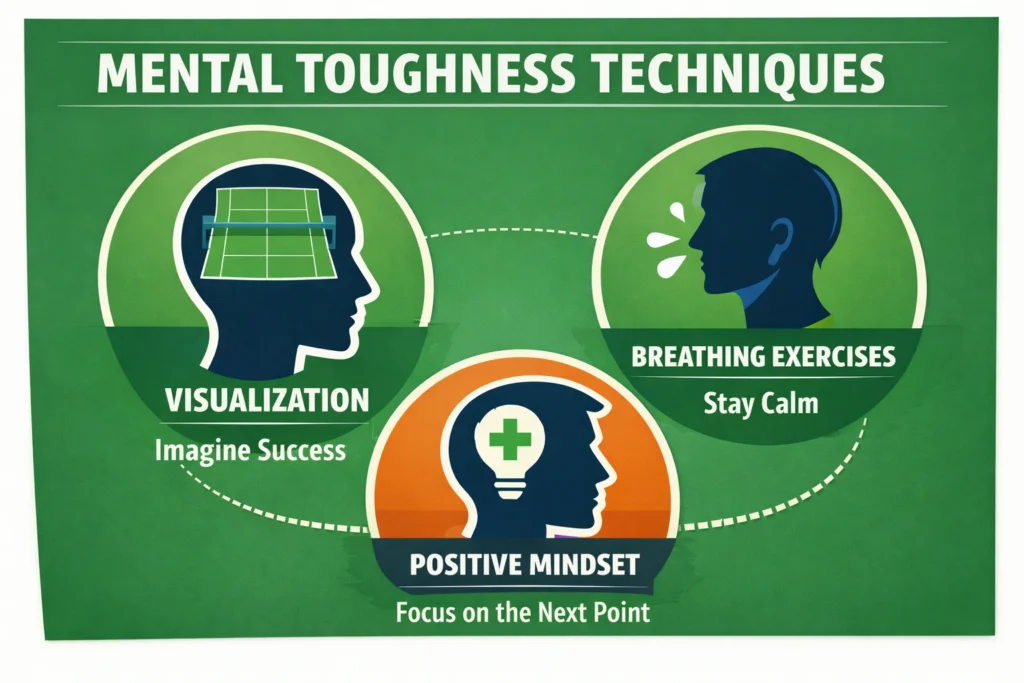
Padel is not just a physical game; it’s also a mental battle. One of the essential aspects of coaching is teaching your players how to stay calm, composed, and focused, especially in challenging situations. Mental toughness can be the difference between winning and losing, as players who can keep their emotions in check often perform better under pressure.
Tip: Incorporate mental conditioning drills into your coaching sessions. Techniques like visualization, breathing exercises, and mindfulness can help players manage their emotions. Encourage players to stay positive, even after mistakes, and to always look ahead to the next point.
Being a good coach means being aware of your players’ emotional states during the game. Always offer encouragement and provide constructive feedback to help players build resilience.
Incorporate Fun into Training
While padel is a competitive sport, training should also be fun. If players feel that their sessions are too serious or repetitive, they may lose interest and motivation. Injecting a bit of fun into training can not only make the session more enjoyable but also enhance learning and performance.
Tip: Add variety to your drills. Include small games, friendly competitions, or challenges that encourage players to enjoy the process of improvement. Sometimes, a playful atmosphere can encourage creativity and help players develop their skills in new and unexpected ways.
When players enjoy their training, they will be more motivated to continue improving and will look forward to each session
Develop Tactical Awareness
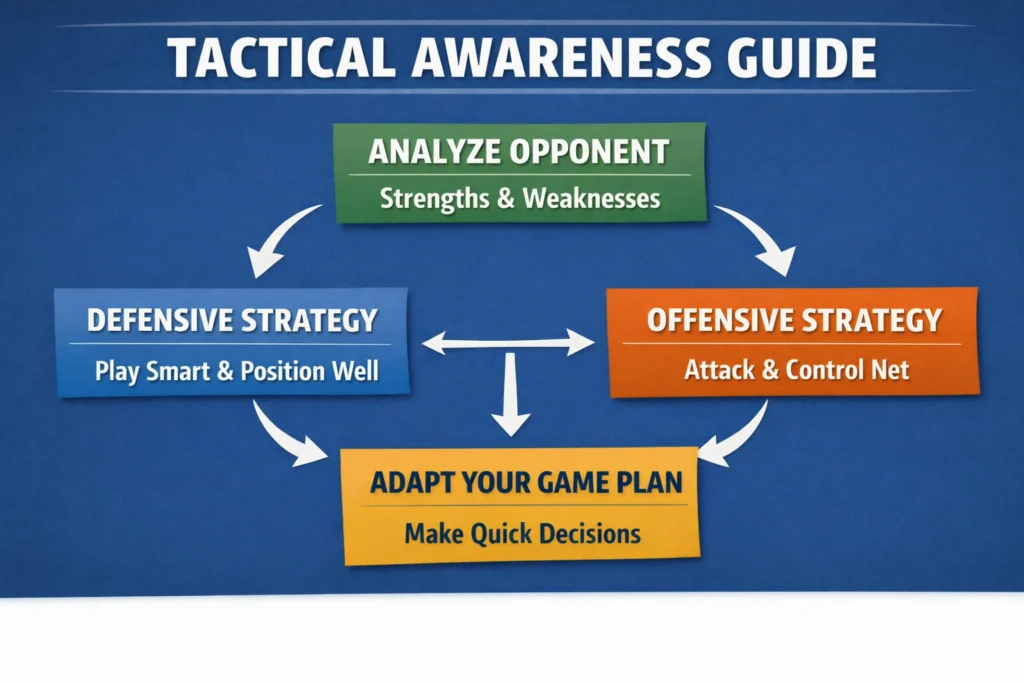
While technical skills are important, understanding the game’s strategy is essential. Players must learn how to anticipate their opponent’s moves, adjust their positioning, and make smart decisions under pressure. Teaching tactical awareness is one of the key responsibilities of a padel coach.
Tip: Focus on positioning, shot selection, and game awareness. Train your players to read the game and make decisions based on their opponent’s strengths and weaknesses. A major part of tactical success is having confidence in your equipment; players often find it easier to execute complex strategies when using high-performance padel rackets that offer a consistent balance of power and control.
Develop drills that emphasize both offensive and defensive strategies, ensuring players can react effectively in various situations. Encouraging players to analyze their matches and those of others (through match analysis) can also help them improve their strategic thinking and adapt to different playing styles.
Highlight the Importance of Footwork
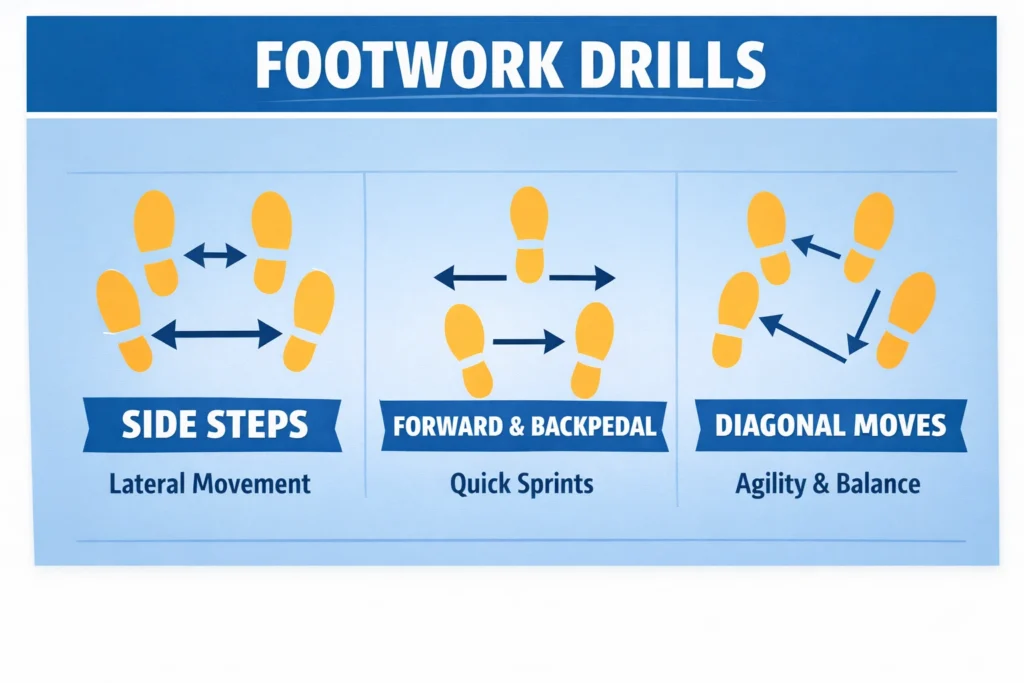
Footwork is fundamental in padel, yet it is often overlooked. Good footwork allows players to move swiftly and position themselves for the best possible shot. It also helps with balance and injury prevention. As a coach, it’s your job to ensure that your players understand how vital footwork is to their overall game.
Tip: Design specific drills that focus solely on footwork. Start with basic movements like side steps, forward and backward sprints, and diagonal movements. As players improve, introduce more complex footwork drills that incorporate real-game scenarios.
Encourage players to stay light on their feet and avoid unnecessary steps that could slow them down. As they improve their footwork, their overall performance will become much more fluid and efficient.
Set Clear Goals and Track Progress
Effective coaching requires setting clear, achievable goals for your players. Without goals, players may feel directionless and unmotivated. By setting short-term and long-term goals, you provide a roadmap for improvement.
Tip: Work with your players to set realistic goals. If a student aspires to play at a competitive level, upgrading to an advanced padel racket can be an important milestone in their development. Regularly track progress and celebrate these technical improvements .
Goal-setting is also a great way to tailor your sessions. If a player is working on their serve, you can focus more on serve-related drills. If they are struggling with consistency, you might emphasize shot accuracy.
Use Technology to Your Advantage
Technology can be a game-changer when it comes to coaching padel. From video analysis tools to fitness trackers, there are various tech tools available that can help you assess and improve your players’ performances.
Tip: Use video analysis to break down techniques and strategies. Record matches or training sessions and then review them with your players, highlighting areas for improvement. You can also use apps or wearable devices to monitor their physical performance, such as tracking their movement, heart rate, or fatigue levels.
These tools give you insights into your players’ progress and allow for a more precise coaching experience. Using technology to measure improvement will also make your coaching more data-driven, helping to fine-tune your strategies.
Encourage Consistent Practice
While coaching sessions are important, it’s the players’ commitment to consistent practice that will lead to improvement. As a coach, you must inspire your players to continue working hard between training sessions.
Tip: Set expectations for your players in terms of practice outside of training hours. Encourage them to practice specific skills, such as serves, volleys, or footwork, on their own. Provide them with drills they can do at home or in the park.
Additionally, offer advice on how players can improve their fitness and overall health, as this will directly contribute to their performance on the court. A well-rounded approach to improvement will help players develop both mentally and physically.
Create a Positive and Supportive Environment
Lastly, a key part of being a great coach is fostering a positive and supportive environment. Padel players thrive in environments where they feel safe, encouraged, and valued. A negative or overly critical atmosphere can hinder progress and motivation.
Tip: Be mindful of the tone you set as a coach. Offer constructive criticism, but also celebrate successes, no matter how small. Show your players that you believe in their abilities, and always encourage them to strive for improvement.
Creating a supportive atmosphere will build your players’ confidence, which in turn enhances their performance on the court.
Conclusion
Becoming a better padel coach requires a mix of knowledge, communication, patience, and the ability to adapt to the individual needs of your players. By following these 10 coaching tips, you will not only improve your players’ skills but also create an environment where they can thrive. Whether you are just starting as a coach or looking to enhance your existing coaching style, remember that consistent growth, both for you and your players, is key.
Take the time to implement these strategies in your coaching sessions, and watch how your players’ skills and passion for the game grow. Being a successful coach is not just about teaching the game but about creating a positive and growth-oriented experience for your players.
Creating a supportive atmosphere will build your players’ confidence, which in turn enhances their performance on the court.