Open play in padel is a drop-in session format where you show up alone, grab a racket, and play with whoever is there , no fixed partner, no bracket, no scoreboard at the end. The format runs on one principle: no score, no winner, no pressure. Every court is active simultaneously, players rotate at fixed intervals, and by the end of the session you have played alongside and against most of the people there. It is the fastest-growing session format at padel clubs across the UK in 2026 and for good reason. It solves the single biggest barrier to playing more padel: not having a partner booked and ready.
Open play does not replace competitive padel. It creates the social layer that makes players want to come back for competitive padel which is why the clubs running it consistently see stronger overall retention than those that do not.
How Open Play in Padel Actually Works
The mechanics are simple. A club books one or more courts for a set time window typically one to three hours. Players sign up individually through a booking platform or at the front desk. There is no minimum group size required from the player’s side: you arrive, you are placed into a game, and you play. As Playtomic’s open play guide for padel explains, the format works by rotating partners or switching courts at fixed intervals , every few games, every set, or every defined number of minutes so no two players are paired together for the entire session. By the end, you have shared a court with most of the group.
The Two Main Rotation Formats
- Free rotation: players self-organise. When a set finishes, pairs mix before the next one starts. Casual, flexible, and well-suited to smaller groups of six to eight players.
- Structured rotation: the club manages the movement. Fixed time intervals, court assignments, or a winner-stays format keeps the session moving predictably and ensures everyone gets equal court time regardless of result.
📊 Key Difference from Americano and Mexicano: Open play records no results and produces no overall winner. Americano and Mexicano are competitions with a social format. Open play is a social session with no competitive layer whatsoever. That distinction is the entire point and it is what makes it accessible to players who find competitive formats intimidating.
Why Open Play Is Growing So Fast at UK Padel Clubs
The growth of open play in UK padel is not accidental. It solves a structural problem that every club faces: most recreational players cannot guarantee a full group of four for every session they want to play. Life gets in the way. Partners cancel. Work runs late. The traditional padel booking model , four people, one court, one specific time creates friction that reduces how often casual players actually get on court.
Open play removes all of that friction. You book a single slot, not a group. You show up with your racket. The session handles the rest. For new players especially, this is transformative. It removes the social pressure of asking friends who may not play yet, and puts them on court with experienced players from the first session.
What Open Play Gives Every Type of Padel Player
For Beginners
Open play is one of the best environments a new padel player can be placed in. The absence of scores removes the performance anxiety that makes beginners reluctant to join sessions with more experienced players. You make mistakes nobody is tracking them. You get advice from the players you rotate with naturally, conversationally, without it feeling like a lesson.
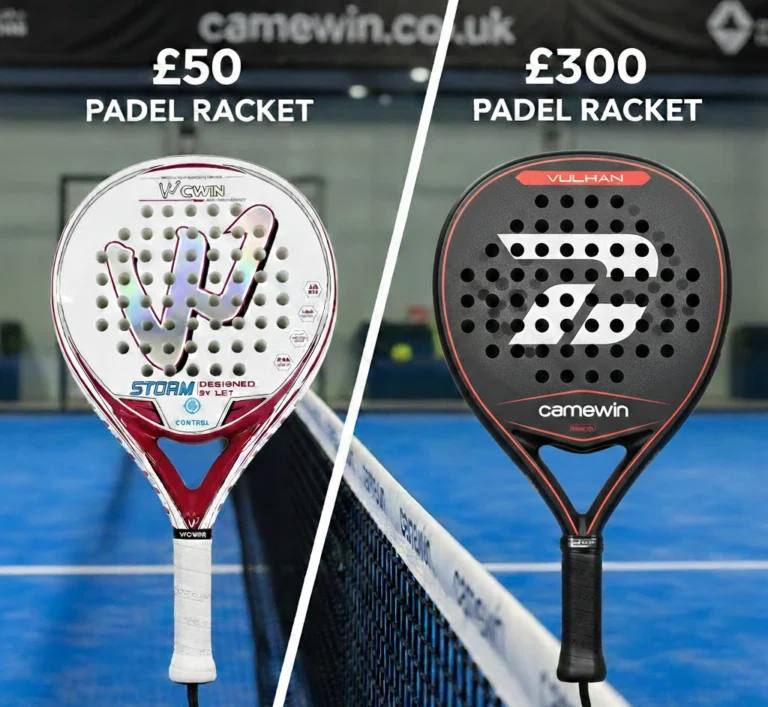
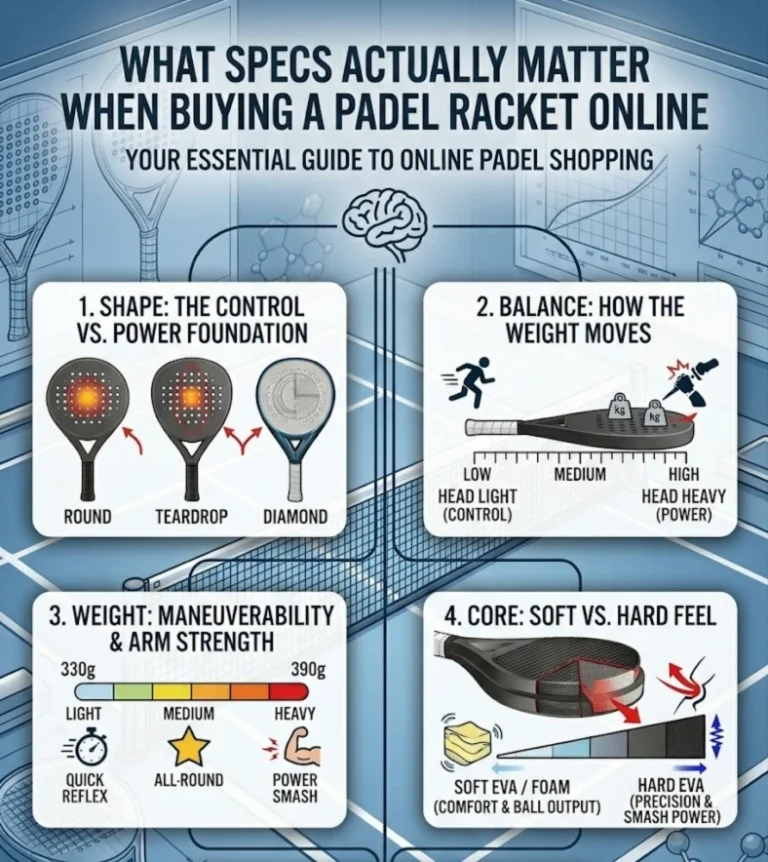
Starting with the right racket matters here too. A player arriving at their first open play session with a frame that is too stiff or too heavy for their level will struggle more than necessary. The frames that work best at this stage are round-headed, soft-cored, and forgiving on off-centre contact ,exactly what a purpose-built beginner padel racket is designed to deliver. The right equipment lets new players focus on the game rather than fighting their gear.
For Intermediate Players
Open play gives intermediate players high-volume, varied match experience that regular doubles bookings cannot replicate. In a standard session, you play with the same partner against the same opponents for an hour. In open play, you face six or eight different opponents in the same time window , each with different tendencies, shot patterns, and court positions. That variety accelerates tactical reading faster than any drilling session. At this stage, a player’s racket needs to keep pace with their developing game . A well-matched intermediate padel racket gives you the feedback and precision that a beginner frame no longer provides, without the unforgiving stiffness of a pro frame you are not yet ready for.
For Advanced Club Players
Even advanced players benefit from open play specifically because it removes the ego investment that often distorts decision-making in competitive sessions. When there is no score and no result, advanced players tend to try shots they would not risk in a competitive match, practise problem areas without consequence, and focus on execution quality rather than winning the point. Players at this level typically arrive with a pro padel racket already in hand and open play is where that investment pays off most, because the low-stakes environment is exactly where you can push the frame’s precision to its limits without the cost of a lost match.
What Open Play Means for Padel Club Managers
From a club management perspective, open play is one of the most efficient session formats available. A single two-hour open play slot on four courts generates the same court revenue as eight standard doubles bookings but requires far less administrative overhead because players book individually into one session rather than coordinating separate group bookings.The retention impact is where the real value sits. Players who attend open play sessions regularly build social connections at your club faster than those who only book courts with fixed groups. Those social connections are the strongest retention mechanism available.
A player who has made friends at your club through open play is not just renewing a membership. They are maintaining a social network. One practical detail clubs often overlook when launching open play is equipment. Sessions that attract mixed-ability groups, which open play almost always does need rackets available across beginner, intermediate, and pro levels for hire or on-site purchase. Clubs that source this through a single wholesale padel racket supplier rather than multiple channels keep the process simple, the pricing consistent, and the equipment pathway clear for players at every stage.
How to Run an Open Play Session
- Set a clear time window. One to two hours is the standard. Longer sessions work with larger groups but require more active rotation management from a staff member or designated player.
- Cap the numbers correctly. On one court, eight players is the maximum for comfortable rotation. On two courts, twelve to sixteen. Beyond that, rotation intervals become too long and players disengage between games.
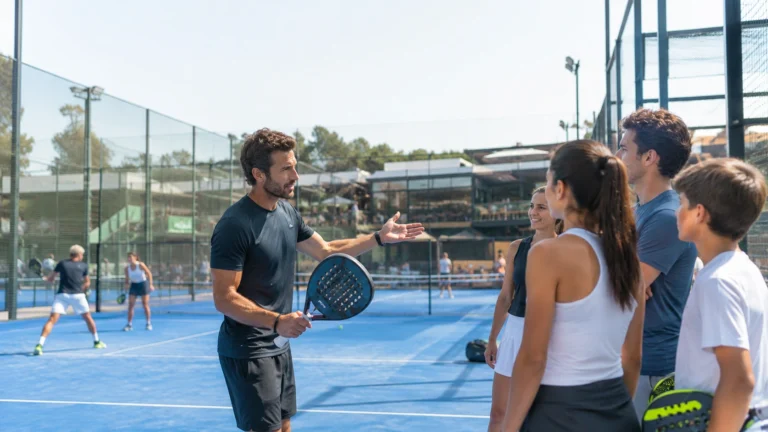
- Communicate the format before the session. First-time open play attendees often arrive expecting scored games. A brief 60-second briefing before play starts explaining the rotation interval, the no-score format, and the etiquette for calling balls , prevents confusion and sets the right tone immediately.
- Use a structured rotation for mixed-level groups. When ability levels vary significantly, a free rotation format naturally clusters the stronger players together. A structured rotation managed by the session host ensures every player gets exposure to different skill levels which is one of the core benefits of the format.
Encourage players to bring their own racket. Open play works best when players are comfortable with their equipment. Clubs that brief new attendees on appropriate racket choice before their first session see fewer drop-outs in the early weeks.
Open Play Is Not a Format. It Is a Growth Strategy.
The clubs that are growing fastest in UK padel right now are not the ones with the most courts or the most competitive leagues. They are the ones that have made it easiest to just show up and play. Open play is that mechanism. It removes the commitment barrier, builds the social layer that retains players long-term, and fills courts during time slots that traditional booking formats consistently leave empty.
For players, it is the lowest-friction way to get more padel in your week. For clubs, it is one of the highest-return session formats available when run consistently and managed well. And for everyone in the sport ,it is the format most likely to bring new players in, keep them engaged through the early months, and turn a casual interest into a long-term habit.
Padel grows fastest when it is easiest to play. Open play is how clubs make that happen.