The X3 and X4 shots in padel are the two most definitive finishing smashes in the game. The X3 also called por tres is a topspin smash that sends the ball out of the court over the 3-metre side fence. The X4 or por cuatro exits over the 4-metre back wall. Both are unreturnable when executed correctly. Neither your opponents nor the surrounding walls can bring these balls back into play. They are direct point winners and once you understand the geometry, the positioning, and the technique behind them, they become a genuine weapon rather than a lucky accident.
These are not beginner shots. But they are not exclusively elite shots either. The X3 is very much in reach for intermediate-to-advanced club players who invest in the right drills. The X4 is rarer, more situational, and significantly harder but understanding it makes you a smarter attacking player even if you never attempt it in a match.
Every time you see a pro player effortlessly launch a ball over the side fence, there is a very specific combination of position, ball height, grip, wrist speed, and court geometry behind it. None of it is luck.
The Court Geometry Behind X3 and X4
To understand these shots, you need to understand the padel court walls. The side fences that run alongside the court stand 3 metres high. The back wall behind the baseline stands 4 metres high. This is precisely where the names come from.
- X3 (por tres): The ball exits over one of the 3-metre side fences. The shot typically travels from the net player’s smash position, hits the back glass, rebounds toward the side wall, and flies out over the side exit sometimes through the door if the angle is right.
- X4 (por cuatro): The ball exits directly over the 4-metre back wall. This requires exceptional height and power .The ball must clear a fence that is a full metre higher than the side exit. Almost exclusively a winner when it connects.
The reason X3 is more common than X4 at club level is pure physics. Clearing 3 metres requires less vertical launch than clearing 4 but both require the ball to arrive at the smash position with enough height, pace, and margin for you to load into the shot properly.
Court Geometry Note: A right-handed player smashing from the left side of the court will send the X3 toward the right-side exit. A right-handed player on the right side sends it toward the left exit. The back glass angles the ball diagonally toward the opposite side this is the geometry you are exploiting, not raw power alone.
The X3 Shot in Padel
What Makes the X3 Different from a Regular Smash
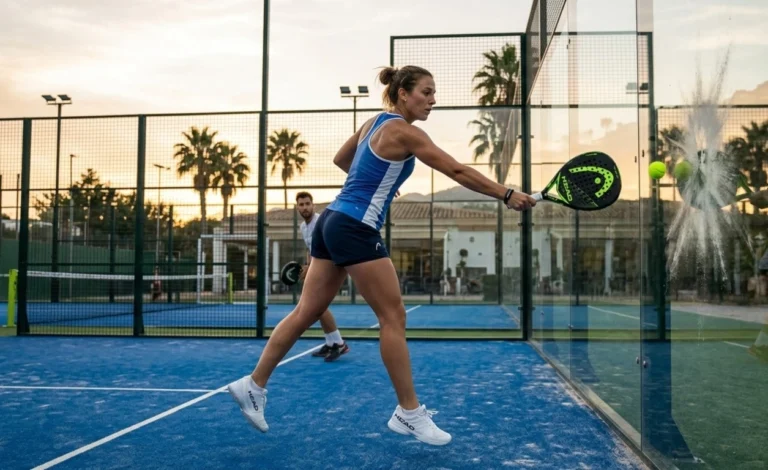
A standard padel smash is a flat, direct shot aimed at the back glass to produce a difficult rebound. The X3 is a topspin smash ,the wrist rolls over the ball at contact to generate heavy topspin, which causes the ball to drop faster after the back glass rebound and kick sideways with enough pace and height to clear the side fence.
This is the critical difference: it is wrist speed and topspin, not raw arm power, that makes the X3 work. Club players who try to muscle the X3 with a flat, hard hit almost always send it into the glass or produce a mid-height rebound that their opponents handle comfortably. The topspin is the mechanism. The power enables the height.
Positioning for the X3
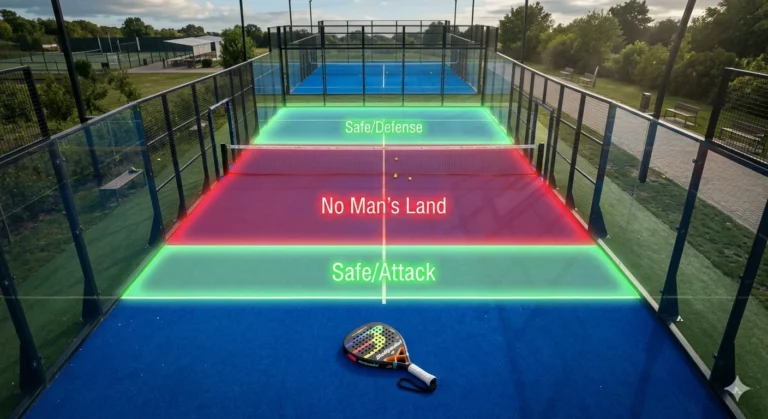
You must be close to the net ideally within 1.5 to 2 metres. From further back, the ball slows down across the wider court distance before and after the back glass rebound, losing the pace needed to clear the side fence. The further back you attempt this shot, the more power it demands and the lower your success rate.
- Ideal position: 1 to 2 metres from the net tape.
- Ball height at contact: above your head , the higher, the better. The X3 requires you to take the ball at its peak, not on its way down.
- Foot position: perpendicular to the net, non-dominant shoulder toward the target, weight loaded into the shot.
The Technique — Step by Step
- Racket preparation: take it back high and similar to a serve preparation, not a flat smash wind-up.
- Grip: most advanced players use a continental-to-backhand grip on the X3 to facilitate the wrist roll at contact. A full eastern grip limits the topspin generation.
- The wrist snap: at contact, the wrist rolls aggressively over the top of the ball from the 12 o’clock position to the 3 o’clock position in one explosive movement. This is the same wrist mechanics as a heavy kick serve in tennis. If your wrist is passive, the X3 does not work.
- Follow-through: across the body, finishing low on the non-dominant side. A high follow-through straightens the trajectory and kills the topspin.
Biggest X3 Mistake: Hitting it too flat. A flat smash goes hard into the back glass and produces a high, readable rebound easy for opponents to handle. The X3 needs topspin so the ball kicks sharply after the back glass contact. Without that kick, the side exit is unreachable regardless of how hard you hit.
The X4 Shot in Padel
The X4 is the most visually spectacular shot in padel. The ball is hit with maximum force and height from extremely close to the net, bounces near the net cord, and clears the 4-metre back wall entirely. Opponents cannot even attempt to retrieve it .It is gone before they can move.
Understand one thing immediately: the X4 is not a repeatable tactical shot for most club players. It is a very specific, very situational finishing move that requires a near-perfect set-up ball. Attempting it from the wrong position or off the wrong ball height is one of the fastest ways to gift your opponents a point. Know what it needs before you try it.
What the X4 Requires
- You must be standing almost on top of the net under 1 metre from the tape in most successful executions.
- The incoming ball must be very high and very soft .It is a defensive lob that floats directly above your hitting zone.
- The strike lands near the ground on your side .So you can hammer the ball , straight down into the court, relying on the explosive bounce and pace to carry it over the 4-metre back wall.
- The explosive wrist snap must be faster and more aggressive than the X3.
Pro Context: Premier Padel players like Tapia and Galan execute the X4 when they receive a soft, high defensive lob with their body fully loaded and planted close to the net. The set-up is almost always identical: perfect net position, high soft ball, explosive downward contact. Any deviation makes it unviable.
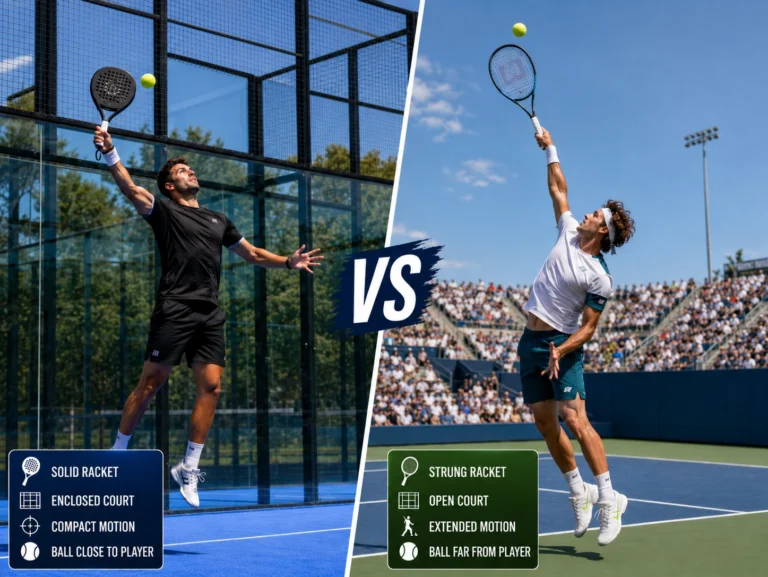
X3 vs X4
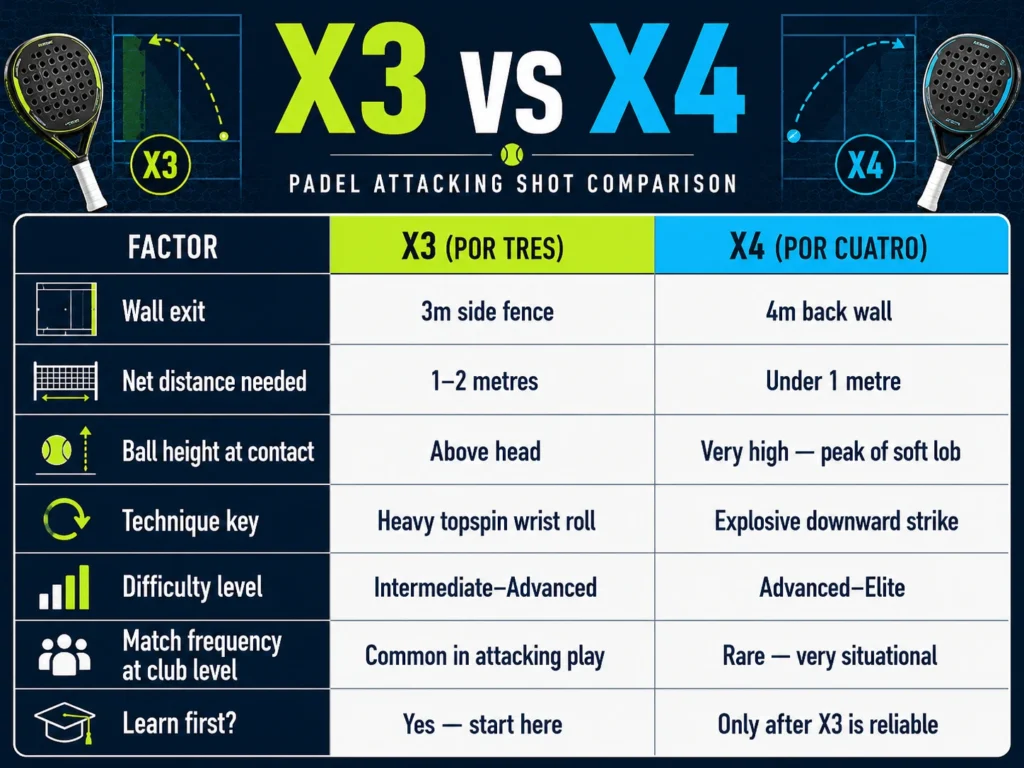
How to Practise X3 and X4 Like a Pro
Drill 1 — The Wrist Roll (X3 Foundation — Beginner to the Shot)
Before attempting the full X3 on court, isolate the wrist snap. Shadow swing the topspin motion slowly off court, starting at 20% speed and gradually building. Focus entirely on the wrist rolling from 12 o’clock to 3 o’clock at contact. Twenty reps, three times per week, for two weeks. This builds the neuromuscular pattern the shot needs before you add pace and a real ball.
Drill 2 — Fed Lob X3 (First Live Attempts)
Partner feeds high, soft lobs to your smash zone from the baseline. You stand 1.5 metres from the net. Execute the X3 on each ball. Do not count how many go over the fence ,count how many have heavy topspin at contact.Topspin quality is the metric, not the exit. The fence clearance follows automatically once the wrist mechanics are correct. Do 15 to 20 reps per session, alternating forehand and backhand smash positions.
Drill 3 — Live Rally Trigger (Intermediate)
Play full practice rallies with one rule: every time you receive a lob above head height at net, you must attempt the X3 — no standard flat smash allowed. This forces the shot under match pressure and trains your brain to recognise the trigger situation automatically. You will miss frequently at first. That is the point.
Drill 4 — X4 Isolation (Advanced Players Only)
Partner feeds an extremely high, soft lob directly above your head at the net. You stand under 1 metre from the net tape. Your only job is to hit the ball explosively downward into the court and follow through completely. Focus entirely on the contact quality and the downward wrist snap. The back wall result is secondary — correct contact mechanics come first.
Coaching Note: The most common error in X3 and X4 practice is looking up mid-swing to see where the ball lands. This opens the body, straightens the wrist, and turns a topspin smash into a flat hit. Keep your eyes on the contact point through the entire swing every time.
Which Padel Racket Helps Most with X3 and X4 Shots
The racket you use directly affects how easily you can generate the topspin .This is one of the few situations in padel where frame choice has a measurable impact on shot execution and it is worth understanding before you invest time drilling a shot with a frame that works against the mechanics.
If You Are Just Starting to Learn the X3
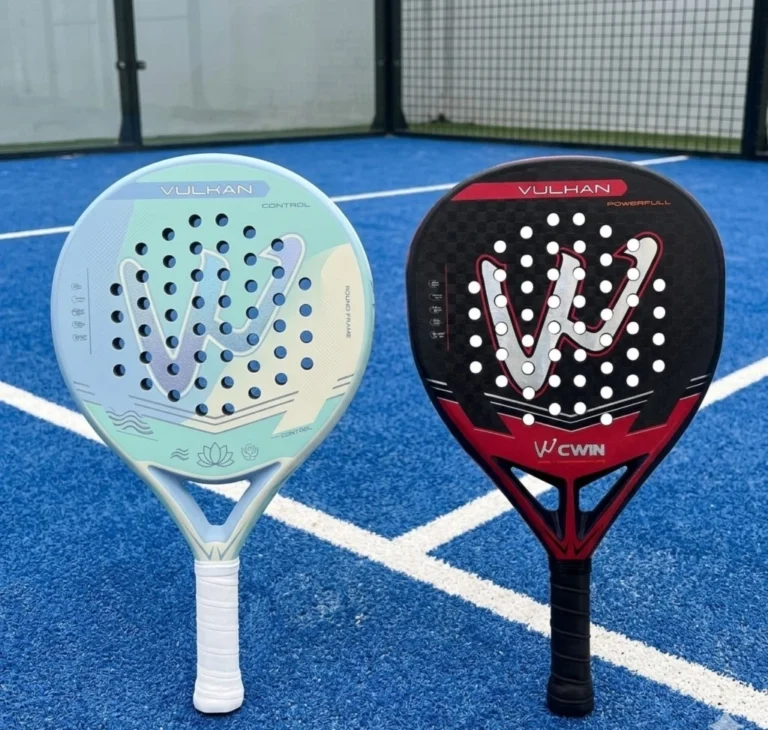
When you are first building the X3 into your game, the priority is clean wrist mechanics not power. A forgiving frame lets you focus on the technique without being punished hard for every mishit. Mostly beginner padel rackets features fiberglass faces and soft EVA foam cores that absorb the excess energy of an off-centre topspin hit, letting you repeat the wrist pattern cleanly while the motion is still forming. A stiff carbon frame at this stage magnifies every technical error and makes the learning curve steeper than it needs to be.
If You Are an Intermediate Player Developing the X3
Once your wrist mechanics are established and you are bringing the X3 into live rallies, you need a frame that gives you both feedback and enough stiffness to translate topspin into genuine pace off the back glass. In this case intermediate padel rackets give you the control to place the X3 tightly while adding the stiffness needed to push the ball over the side fence consistently. The step up from a beginner frame at this stage is immediately felt on the topspin kick after the back glass contact.
If You Are A ProPlayer Executing X3 and X4 Regularly
At pro level, the X3 and X4 are live match weapons not practice shots. You need a frame that delivers maximum topspin transfer and directional precision at high wrist speed. At this point pro padel racket is a good choice.It features full carbon construction and high-balance diamond or teardrop frames built for exactly this kind of explosive net play. The stiffer carbon face means the topspin kick off the back glass is sharper and more directional , but it demands clean technique. A mishit on a pro frame sits up more visibly than on a softer frame, which is why the X3 mechanics need to be reliable before you move to this tier.
🎾 Racket Note: Regardless of level, grip pressure is the first thing to check if your X3 keeps landing flat. Gripping too tightly stiffens the wrist and kills the snap that generates topspin. Relax the hand at contact and the power comes from wrist speed, not grip force.
Start Building X3 and X4 Into Your Game
The X3 is not a trick shot reserved for professionals. It is a learnable, repeatable finishing weapon that intermediate and advanced club players use to close out points from the net with genuine authority. The X4 is more situational , worth understanding, worth attempting in practice, and genuinely effective in matches when the set-up arrives correctly.
Start with Drill 1. Build the wrist mechanics in isolation before adding live balls. Then Drill 2 with a practice partner. Then Drill 3 in live rallies. Give yourself six focused weeks before judging the shot. The geometry is learnable. The wrist mechanic is trainable. And once you understand both, the X3 becomes a shot your opponents have to plan around, not just respond to.
The best net players in club padel are not the ones with the hardest flat smash. They are the ones whose opponents cannot predict whether the ball is going over the side fence or coming straight back at their feet.