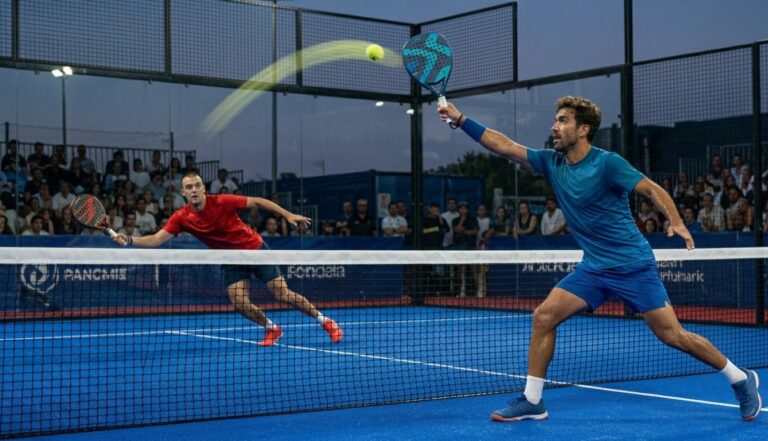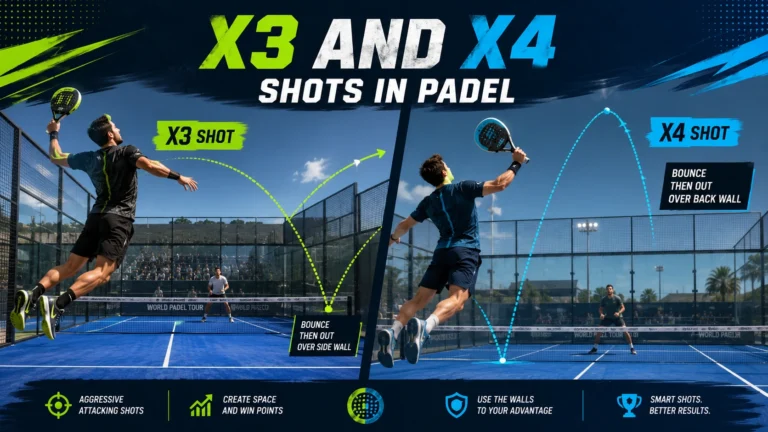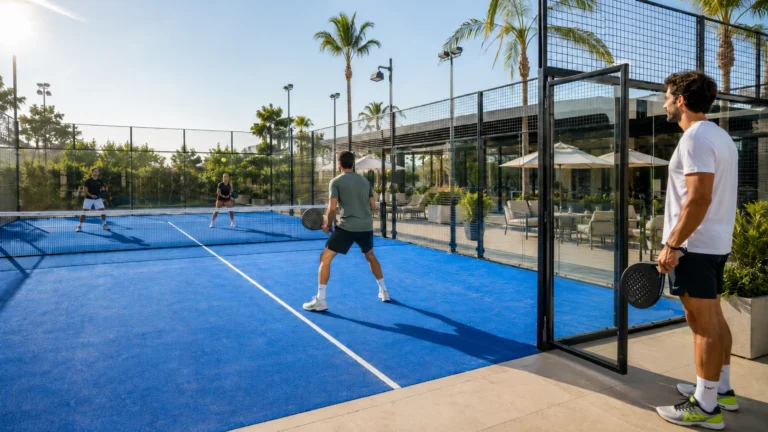
If your shots feel inconsistent, unstable under pressure, or less powerful than they should, the issue is often not your technique alone. Most players never fully adapt to the balance, core density, and surface characteristics of their racket. This guide explains exactly how to unlock its full performance potential through practical adjustments you can apply immediately in training and competition. You do not need a new model. You need better alignment between your equipment and your execution.
Align Your Game With Your Racket’s Design
Most players do not have a racket problem. They have a mismatch between how they play and what their racket is built to do.Your model has a balance point, core density, and surface material designed for a specific style. If you ignore that and force a different game plan, you limit performance.
For example:
- A head-heavy frame rewards aggressive overheads.
- A softer core favors touch and control.
- A mid-balance design supports all-court play.
If you’re using one of power-focused padel rackets, step forward more often. Look for overhead chances. Finish points decisively.
If you prefer one of control padel rackets, construct rallies patiently. Work angles. Force errors instead of rushing winners.
Take one training session to experiment deliberately:
- Play one set focusing only on net pressure.
- Play another prioritizing defensive resets and lobs.
- Notice where your racket feels most natural.
When your tactics match the design, the racket feels lighter, more responsive, and more precise.
Refine Contact Point - Not Swing Speed
Players often chase more power. The real upgrade comes from cleaner contact. You do not need a faster swing. You need the ball to meet the sweet spot consistently. Here is how to improve that quickly:
- Prepare earlier than you think you need to.
- Turn your shoulders before the ball crosses the net
- Keep your non-dominant hand active for balance.
- Meet the ball slightly in front of your body.
Most off-center hits happen because players contact the ball too late. Early preparation fixes that instantly.During warm-up, slow down intentionally. Focus on the sound at impact. A centered strike sounds solid and controlled. Off-center hits feel hollow or unstable.
If your current setup feels unstable, review your premium padel rackets collection and compare weight and balance specs and u can also do comparison from our padel racket collection for better understanding. Even small differences affect timing. Cleaner contact equals more power with less effort. That is how you truly unlock performance.
Adjust Grip Pressure Throughout the Rally
Your grip should not stay at the same tension during the entire point.Many players squeeze too hard from start to finish. That reduces feel and increases arm fatigue.Instead:
- Hold the racket at 4/10 pressure while waiting.
- Increase slightly to 6/10 during preparation.
- Firm up at impact.
- Relax again immediately after contact.
This dynamic grip improves touch shots and defensive control. It also allows the core material to absorb vibration properly. If your hand feels tired after one set, the issue is rarely fitness. It’s tension. Also check your grip thickness. If the handle feels too thin, you’ll overcompensate by squeezing harder. Replace worn grips regularly. Small grip adjustments often deliver instant improvements in control and comfort.
Control Temperature and Storage
Performance drops faster from poor storage than most players realize.Carbon surfaces and EVA cores react to temperature. Excess heat softens the core and changes rebound characteristics. Cold conditions make the surface feel rigid and less responsive.
Protect your investment:
- Store it in a thermal compartment.
- Never leave it in a car.
- Keep it inside your bag between matches.
- Avoid leaning it against hard surfaces.
Improve Your Preparation Timing
Late preparation ruins more shots than poor technique. When you react late:
- You hit off-center.
- You compensate with your wrist.
- You lose directional control.
Start preparing before the ball reaches you. Focus on these habits:
- Split step as your opponent strikes.
- Turn shoulders early.
- Set the racket head above your wrist.
- Adjust feet instead of reaching with your arm.
Good preparation allows your racket to do the work. Poor preparation forces you to manufacture power. Film yourself for ten minutes. You will likely notice delayed movement rather than flawed mechanics.
Use the Correct String Tension Feel (Indirectly)
Padel rackets do not have adjustable strings like tennis, but the core hardness acts similarly.If your shots feel dead, your core may be too hard for your swing speed. If they feel uncontrolled, it may be too soft.Test this during practice:
- Hit slow controlled volleys.
- Then hit firm overheads.
- Compare stability and rebound.
Choosing the right characteristics once prevents years of frustration.
Train With One Model Consistently
Switching frequently slows development.Each racket has a slightly different balance and response. Changing too often resets your timing.Stick with one model for:
- At least 6–8 weeks.
- Multiple competitive matches.
- Structured training sessions.
- Consistency builds muscle memory.
Professionals sponsored by brands like Bullpadel and Nox often stay within similar balance profiles for years. Stability supports performance. If you plan to upgrade, do it intentionally not emotionally after a bad match.
Improve Net Discipline
If your racket feels unstable at the net, your positioning may be the issue. Stand:
- One step behind the net.
- Knees slightly bent.
- Racket head above wrist level.
- Elbows relaxed but active.
- Don’t swing at volleys. Block and redirect.
Compact movements maximize control. Large swings reduce precision. Players struggling at the net often benefit from light weight rackets. Mastering compact volleys makes your equipment feel sharper instantly.
Replace It at the Right Time
Even high-quality frames decline.If you play 3–4 times per week, peak performance usually lasts 12–24 months.
Warning signs:
- Reduced power despite clean contact.
- Noticeable vibration increase
- Surface cracks.
- Change in sound at impact.
- Many players blame themselves when the issue is worn equipment. It is time to upgrade. Fresh equipment restores consistency and confidence
Build Strength Around Your Equipment
Your racket performs best when your body supports it. Focus on:
- Forearm strength.
- Shoulder stability.
- Core rotation.
- Wrist control.
Two short strength sessions per week dramatically improve shot stability. Better physical support allows you to swing freely without tension.
Final Thoughts
Getting the most out of your equipment doesn’t require constant upgrades. It requires awareness, adaptation, and consistency. When you:
- Align tactics with design
- Prepare earlier,
- Control grip pressure,
- Store it properly,
- Train consistently
- Replace it at the right time,
You unlock the performance you already paid for. Serious players do not just buy quality gear , they learn how to use it properly. If you apply even three of these adjustments in your next match, you will feel the difference immediately.